

Views: 0 Author: Site Editor Publish Time: 2025-11-02 Origin: Site


Columbarium niches have become a central feature in modern memorial architecture, offering a dignified, organized, and sustainable way to honor the deceased. As societies face increasing urbanization, limited land availability, and a growing preference for cremation, columbarium niches provide an efficient solution for memorialization. These niches serve not only as functional storage for cremated remains but also as aesthetic and cultural elements that integrate seamlessly with contemporary architectural designs.
Modern memorial architecture emphasizes both functionality and visual harmony. Columbarium niches are designed to provide families with a serene, accessible, and respectful space for remembrance. In addition, they reflect broader societal values, including environmental consciousness, space efficiency, and adaptability to various cultural and religious practices. This article explores the role of columbarium niches in modern memorial architecture, examining their functional significance, design considerations, materials, and layout options. We will also discuss future trends and answer frequently asked questions to guide families, architects, and planners in making informed decisions.
A columbarium niche is a compartment within a columbarium structure specifically designed to house cremation urns. Unlike traditional burial plots, columbarium niches provide a space-efficient and environmentally conscious alternative for interment. They are widely used in cemeteries, memorial parks, mausoleums, crematoriums, and indoor memorial halls.
Columbarium niches serve several important functions:
Space Efficiency: In densely populated urban areas where land is scarce, columbarium niches provide a compact alternative to traditional graves, allowing multiple interments within a smaller footprint while maintaining accessibility and organization.
Accessibility: Niches offer families a place to visit, pay respects, and hold memorial services in a structured environment. Accessibility considerations include clear pathways, comfortable height arrangements, and visibility of inscriptions or personal items.
Cultural Relevance: Niches can be adapted to accommodate various religious or cultural traditions, including specific symbolic designs, inscriptions, or memorial practices, making them versatile for diverse communities.
Long-Term Preservation: Designed to protect urns from environmental damage, columbarium niches ensure the longevity of cremated remains, offering families reassurance and peace of mind.
Unlike traditional in-ground burial, columbarium niches minimize land usage and can be arranged in multiple configurations, including wall-mounted units, free-standing structures, or modular designs. This flexibility allows cemetery planners to optimize space while maintaining dignity and respect. Additionally, columbarium niches reduce maintenance requirements for families and cemetery operators by eliminating the need for lawn care, grave markers, or elaborate landscaping associated with conventional burial plots.
Columbarium niches are not merely storage units; they contribute significantly to the overall architectural and aesthetic quality of memorial spaces. Their role extends beyond functionality, influencing how a memorial site is perceived and experienced.
Urbanization and the rising popularity of cremation have created a pressing need for efficient use of land in cemeteries and memorial parks. By stacking niches vertically or arranging them in modular configurations, columbarium structures can house numerous remains in a compact footprint. This efficient layout helps reduce the overall land requirements while still providing accessible spaces for family visitation. Optimized space utilization also allows memorial architects to allocate more room for landscaped gardens, walkways, and communal reflection areas, enhancing the overall experience for visitors.
Columbarium niches can be seamlessly integrated into modern architectural designs, complementing both interior and exterior environments. Materials, colors, and finishes are carefully selected to harmonize with surrounding landscapes, building facades, and garden features. Indoor niches often use glass, metal, or polished stone to create a sleek and modern atmosphere, while outdoor niches incorporate durable natural stones or metals to blend with park-like settings. Thoughtful design ensures that niches contribute to a serene, cohesive environment rather than appearing as purely functional storage units.
Columbarium niches provide families with spaces that encourage reflection and remembrance. Thoughtful design ensures that niches offer privacy, serenity, and symbolic elements, creating an emotional connection that transcends physical storage. Modern designs often allow personalization with engravings, photos, and artwork, enhancing the memorial’s emotional resonance. Niches may also incorporate symbolic architectural elements, such as arches, columns, or relief motifs, which communicate respect, legacy, and cultural identity.
The selection of materials and construction techniques plays a crucial role in the durability, appearance, and functionality of columbarium niches. Modern memorial architecture emphasizes longevity, low maintenance, and aesthetic versatility.
Granite: Granite is highly durable, resistant to weathering, and suitable for both indoor and outdoor niches. Its natural mineral composition allows for a variety of colors and textures, from black and gray to red and speckled varieties. Polished or honed surfaces provide aesthetic flexibility and longevity.
Marble: Marble offers a refined and classical appearance, often used for indoor niches. It allows intricate engravings and has a smooth surface suitable for decorative detailing.
Metals (Bronze, Stainless Steel, Aluminum): Metals provide structural strength and decorative appeal. Bronze, in particular, develops a natural patina over time, adding character, while stainless steel offers corrosion resistance and a modern aesthetic.
Concrete and Precast Concrete: Provide versatile, cost-effective structural solutions. Precast concrete ensures consistent quality, faster installation, and compatibility with modular designs.
Modern memorial architecture increasingly incorporates sustainable and environmentally conscious materials:
Recycled Metals: Reduce environmental impact while providing durability.
Composite Materials: Engineered to mimic stone or wood, offering long-term durability with low maintenance requirements.
Low-Maintenance Finishes: Surfaces designed to resist staining, fading, and weathering, reducing the need for regular upkeep.
Prefabrication: Niches manufactured off-site ensure consistency, precision, and reduced on-site labor.
Modular Designs: Flexible units that can be combined or expanded over time.
Stackable Niches: Maximize vertical space, especially useful in urban cemeteries with limited land.
Table 1: Comparison of Materials for Columbarium Niches
Material | Durability | Maintenance | Indoor/Outdoor Use | Aesthetic Flexibility |
Granite | Very High | Low | Both | High |
Marble | High | Medium | Indoor | High |
Bronze | Very High | Low | Both | Medium |
Stainless Steel | High | Low | Both | Medium |
Concrete/Precast | High | Medium | Both | Medium |
Glass | Medium | Medium | Indoor/Protected Outdoor | High |
Composite Materials | High | Low | Both | High |
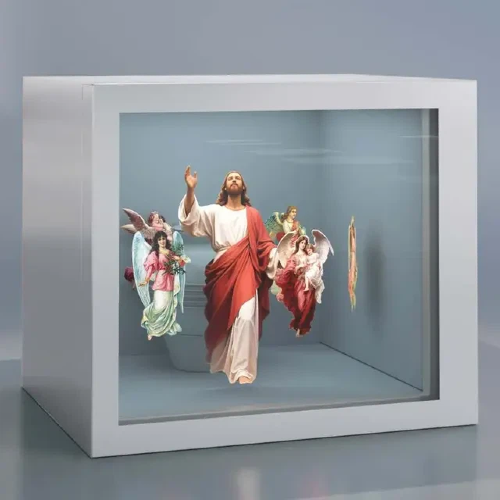
The design of columbarium niches affects both aesthetic appeal and the visitor experience. Modern memorial architecture accommodates a wide range of stylistic preferences.
Traditional Styles: Feature ornate carvings, arches, columns, and religious or cultural symbols. These designs evoke timelessness and reverence.
Modern Styles: Emphasize simplicity, clean lines, geometric shapes, and material combinations such as glass, stone, and metal. Modern designs blend seamlessly with contemporary architecture and often incorporate ambient lighting for enhanced visitor experience.
Modern niches allow families to create unique memorials:
Engravings: Names, dates, quotes, or religious symbols.
Photographs and Artwork: Displayed behind glass panels to enhance personal connection.
Digital Integration: QR codes or digital plaques provide multimedia content, stories, or tributes about the deceased.
Indoor Niches: Benefit from controlled lighting, temperature, and security, enabling the use of delicate materials like glass and wood.
Outdoor Niches: Require durable, weather-resistant materials to withstand environmental conditions while maintaining aesthetic harmony and accessibility.
Effective spatial planning ensures niches are accessible, visually appealing, and adaptable for future interments.
Wall-Mounted: Suitable for indoor or small spaces, available in vertical or horizontal arrangements to optimize space.
Free-Standing: Ideal for outdoor gardens and larger memorial areas, providing room for landscaping, benches, and walking paths.
Modular Designs: Facilitate future expansion without disrupting existing niches, allowing scalability for growing memorial needs.
Stackable Niches: Optimize vertical space for urban cemeteries or indoor memorial halls.
Successful columbarium planning considers sightlines, lighting, visitor pathways, and harmony with architectural or natural features, ensuring both aesthetic appeal and functional accessibility.
Table 2: Layout Options for Columbarium Niches
Layout Type | Space Efficiency | Flexibility | Ideal Location | Maintenance Requirement |
Wall-Mounted | Medium | Moderate | Indoor/Small Spaces | Low-Medium |
Free-Standing | Low-Medium | Low | Outdoor/Garden | Medium-High |
Modular | High | High | Indoor/Outdoor | Medium |
Stackable | Very High | Moderate | Urban Cemeteries | Medium |
Technological advancements, sustainability concerns, and evolving urban planning practices continue to shape columbarium niches:
Technological Innovations: Interactive digital plaques, multimedia integration, and QR codes enhance visitor engagement.
Sustainability: Eco-friendly materials and compact, modular designs reduce land use and long-term environmental impact.
Urban Trends: Vertical, stackable, and modular designs become increasingly important in dense urban environments, maximizing efficiency while maintaining dignity.
Columbarium niches now play an integral role in both the functional and aesthetic aspects of memorial architecture, bridging tradition and modernity.
Columbarium niches are central to modern memorial architecture, providing space-efficient, sustainable, and emotionally meaningful solutions for cremation interment. By understanding the wide array of materials, design styles, and layout options, families and planners can create memorial spaces that are both practical and visually harmonious. Thoughtful selection ensures niches remain dignified, accessible, and respectful for generations.
For more information on high-quality columbarium niches, including material choices, design options, and layout solutions, consider contacting Jiangxi Dongsheng Intelligent Equipment Group. Their professional team can provide guidance for creating memorial spaces that honor loved ones with care, precision, and lasting quality.
What role do columbarium niches play in modern memorial architecture?
Columbarium niches provide efficient, organized, and aesthetically integrated spaces for cremation interment, enhancing both functionality and visual harmony.
How do columbarium niches differ from traditional burial methods?
They occupy less land, allow vertical or modular arrangements, and can be tailored for indoor or outdoor use, unlike traditional graves.
What materials are commonly used for columbarium niches?
Granite, marble, bronze, stainless steel, concrete, glass, wood, and composite materials.
Can columbarium niches be customized or personalized?
Yes, through engravings, photos, artwork, and digital elements to reflect individual or family preferences.
Are there differences in indoor and outdoor niche designs?
Indoor niches allow delicate materials and controlled environments, while outdoor niches require durable, weather-resistant materials.
How can columbarium niches contribute to sustainable memorial spaces?
By optimizing space, using eco-friendly materials, and incorporating modular designs that reduce land use and maintenance.


