
Views: 0 Author: Site Editor Publish Time: 2026-06-13 Origin: Site
Families today increasingly seek sustainable end-of-life options. They want choices free from emotional manipulation. Traditional caskets consume massive amounts of natural resources. Buyers often feel skeptical about the durability and compliance of alternative materials. A biodegradable cremation coffin directly solves this problem. Manufacturers design these containers specifically to reduce emissions. They eliminate toxic residues left behind during combustion. They provide a secure, dignified alternative to standard particleboard or metal options. You need to know how these alternatives perform. We built this guide as a practical framework for you. Families and funeral professionals can use it to evaluate, select, and source a verified paper coffin. You will learn about structural engineering, crematory compliance, and cost efficiency. Let us explore how to make a confident, environmentally responsible choice.
Structural Integrity: Modern paper coffins utilize load-bearing corrugated engineering, safely supporting up to 250–300+ lbs without buckling.
Crematory Compliance: A true biodegradable cremation container uses water-based glues and unbleached materials, ensuring clean combustion that meets crematory emission standards.
Cost Efficiency: Cardboard and paper options significantly reduce upfront costs, allowing families to reallocate funeral budgets.
Sourcing Transparency: Buyers must verify that their chosen eco burial product is free of synthetic liners, plastic handles, or toxic inks to ensure it is 100% biodegradable.
Consumers immediately ask about durability. "Will a paper casket hold up during transport?" You might worry about it failing during a service. Modern engineering puts these valid fears to rest. Heavy-duty, multi-layered corrugated cardboard forms the core of these structures. Manufacturers use advanced material science to cross-layer the paper fluting. This specific design creates immense vertical and horizontal strength. The internal arches of the cardboard act like tiny structural bridges. They distribute weight evenly across the entire surface area.
Next, you must consider physical load testing. Standard commercial models undergo rigorous factory evaluations. They easily support 250 to 300 pounds. Some highly reinforced designs hold even greater weights safely. Flat-bottom designs play a crucial role here. They prevent the base from sagging during movement. Reinforced corners stop structural buckling when lifted. Funeral operators can move them safely. They do not bend or warp under pressure.
Finally, clean cremation requires pure, non-toxic components. Builders rely on unbleached, recycled kraft paper. They avoid chlorine-based bleaching processes entirely. Factories apply vegetable-based inks for any exterior printing. Water-based adhesives bind the corrugated layers together. Starch-based glues replace synthetic chemical binders. These specific manufacturing choices ensure zero harmful chemical release. The cremation chamber remains clean. The surrounding air remains free of unnatural pollutants.
We must compare combustion and emissions objectively. A standard medium-density fiberboard (MDF) or particleboard casket relies on heavy synthetic glues. These wood alternatives often contain high levels of formaldehyde. Burning them releases toxic fumes into the atmosphere. The crematory retort filtration system works harder to scrub these gases. Conversely, a cardboard alternative burns exceptionally cleanly. It leaves minimal ash behind. Families receive purer remains.
Energy consumption matters greatly to crematory operators. Corrugated units require significantly less heat to combust. They ignite quickly and burn steadily. The entire reduction process takes less time. Operators save valuable natural gas or electricity. They effectively reduce their overall carbon footprint. This energy efficiency benefits both the facility and the environment.
Cost implications offer another stark contrast. Traditional wood or metal units cost thousands of dollars. You can purchase a corrugated option for just hundreds of dollars. Families can then reallocate those saved funds. They might spend it on a meaningful memorial service. They could hire better catering or make charitable donations. The financial burden decreases significantly.
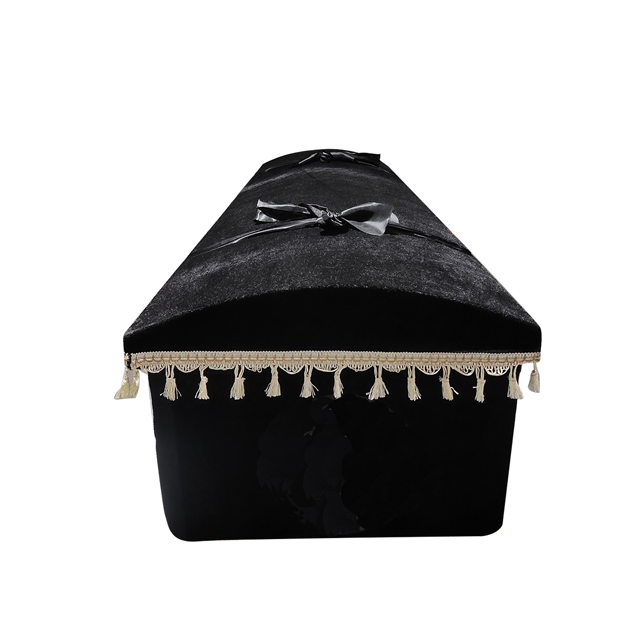
Visual and ceremonial differences also play a major role. You might wonder about the simple aesthetics. You can easily cover the unit using a beautiful fabric pall. Families frequently paint or draw on the exterior surface. This customization creates a deeply personal tribute. Alternatively, you can place it inside a wooden rental casket. This allows for a traditional open-casket viewing. The inner container simply slides out before the final cremation.
Combustion & Emission Comparison Chart | ||
Feature | Traditional MDF Casket | Eco-Friendly Cardboard Option |
|---|---|---|
Primary Material | Particleboard, chemical binders, wood veneer | Multi-layer corrugated kraft paper |
Adhesives Used | Formaldehyde-based synthetic glues | Water-based or starch-based adhesives |
Energy Required | High heat, extended burning time | Low heat, rapid and clean combustion |
Emission Profile | Releases VOCs and toxic chemical residues | Zero toxic off-gassing, minimal carbon footprint |
Ash Residue | Leaves heavy synthetic ash and metal staples | Leaves virtually zero material residue |
You must evaluate any eco burial product carefully. Not all available items meet strict industry standards. You need a reliable framework to assess them.
Not all crematories automatically accept third-party containers. You must verify their local policies. Some facilities worry about hidden plastics melting onto their retort floors. Advise your crematory operator early. Request a detailed specification sheet from your supplier. This document should detail exact dimensions and material composition. It must explicitly state the absence of plastics or metals. Present this sheet to the crematory beforehand. It prevents stressful last-minute rejections.
Shipping realities dictate how these units arrive at your door. B2B and B2C deliveries usually utilize flat-packed shipping methods. This approach saves substantially on heavy freight costs. It also reduces shipping emissions. You must assemble the unit upon arrival. Fortunately, assembly requires no special tools.
Follow these standard assembly steps:
Unpack the flat-folded components on a clean, dry floor space.
Fold the main body panels strictly along the pre-scored crease lines.
Interlock the reinforced bottom tabs to secure the structural base.
Engage the side-locking mechanisms without using metal screws or staples.
Secure the matching lid using the designated friction-fit folds.
Greenwashing remains a significant risk in the funeral industry. Companies sometimes label standard products as environmentally friendly. You must identify authentic green products. Look for verifiable third-party standards. The Green Burial Council offers reliable certifications in North America. Local equivalent standards globally also provide vital assurance. They audit the supply chain.
Watch out for these common red flags:
"Wood-look" finishes utilizing synthetic PVC or vinyl wraps.
Plastic load-bearing handles cleverly disguised as woven rope or metal.
High-gloss exterior varnishes containing petroleum derivatives.
Stapled structural corners instead of interlocking paper folds.
Interior synthetic satin liners that melt during combustion.
Integrating a green funeral coffin requires thoughtful planning. Pallbearers and funeral directors need practical advice for physical handling. You should always use a rigid wooden baseboard underneath the unit. Many local regulations actually require this safety step. A solid baseboard ensures absolute stability during lifting. It makes transferring the unit from a church truck to a hearse seamless. It prevents any accidental sagging.
The viewing experience remains deeply important for grieving families. You can easily integrate these simple options into formal traditional services. Place lush, cascading floral arrangements on top. Drape an elegant, heavy fabric pall over the structure during a church service. This honors religious traditions perfectly.
Many families choose to personalize the unit itself. Children and adults can write final messages directly on the paper surface. They can draw meaningful pictures. They can attach biodegradable photographs using paper tape. This interactive process transforms a simple box into a profound family tribute. It helps facilitate healthy grieving.
Managing family expectations requires clear, compassionate communication. Some older relatives might view cardboard as "cheap" rather than eco-friendly. You must communicate its true environmental value. Explain the emissions benefits clearly. Emphasize the profound dignity of a customized, zero-emission choice. Show them the sturdy construction. When families understand the purposeful nature of the product, their initial skepticism usually fades rapidly.
Navigating the purchasing process can feel overwhelming initially. You have distinct options for sourcing a cardboard cremation container. You can buy directly from a manufacturer or through a funeral home.
Direct-to-consumer purchases offer significant financial freedom. The FTC Funeral Rule in the United States protects this specific consumer right. Many local equivalent laws exist globally. Funeral homes must accept your compliant third-party container. They cannot legally charge you extra handling or penalty fees for using it. You simply have it shipped directly to their facility.
Lead times require your immediate attention. You must confirm shipping timelines right away. Flat-pack deliveries generally take two to five business days via standard ground shipping. Funerals often happen quickly. Shipping delays cause unnecessary emotional stress. Always choose expedited shipping if the service timeline feels tight.
Funeral directors face specific B2B supply chain considerations. Minimum order quantities (MOQs) affect your inventory purchasing strategy. However, flat-packed cardboard offers excellent facility storage efficiency. You can easily store ten folded units in the footprint of one traditional metal casket. Consider your service price list carefully. Adding eco-options attracts environmentally conscious families to your business. It opens a new demographic segment while supporting global green initiatives.
Sourcing & Logistics Checklist | ||
Category | Verification Step | Why It Matters |
|---|---|---|
Legal Rights | Check FTC Funeral Rule (or local equivalent) | Ensures the funeral home accepts third-party deliveries without fees. |
Facility Rules | Confirm exact dimensions with crematory | Prevents the unit from being too wide for the standard retort door. |
Shipping Speed | Verify transit times before checkout | Guarantees the product arrives 24-48 hours before the scheduled service. |
B2B Storage | Calculate flat-pack footprint | Allows funeral homes to maximize limited back-room inventory space. |
Choosing a biodegradable alternative empowers you to make a positive environmental impact. It absolutely does not mean sacrificing dignity, safety, or respect. You merely shift your focus toward sustainable materials. You must verify structural weight ratings. You must confirm crematory compliance regarding glues and inks. Once verified, these products perform exceptionally well in real-world scenarios. They save resources, reduce atmospheric emissions, and lower financial burdens.
Your actionable next step is straightforward. Contact your chosen crematory or funeral director immediately. Provide them with the exact product specifications. Confirm their acceptance policies and coordinate the shipping logistics. Taking this simple step today ensures a smooth, dignified, and eco-conscious farewell.
A: Yes. You can use them as-is or decorate them personally. Alternatively, you can place the unit inside a wooden rental casket. This provides a traditional outer shell for the public viewing. The inner paper container is then removed seamlessly for the final cremation process.
A: Yes, when properly constructed. Commercial-grade corrugated options use advanced engineering. Manufacturers rigorously test them to support upwards of 250 to 300 pounds securely. They feature reinforced corners and flat bottoms to prevent any buckling during transport.
A: By law in many jurisdictions, including the US under the FTC Funeral Rule, they must. Funeral homes must accept a compliant third-party container without charging a handling fee. However, verifying the exact physical dimensions with the specific crematory operator remains essential.
A: A verified eco-friendly unit produces virtually zero toxic emissions. It uses water-based glues, unbleached paper, and vegetable-based inks. It lacks the toxic synthetic finishes found on traditional items. This results in significantly fewer emissions than burning a standard MDF or particleboard casket.
