
Views: 0 Author: Site Editor Publish Time: 2026-06-24 Origin: Site
Operating a waste management facility today requires absolute precision. You must balance aggressive industrial disposal needs against increasingly strict emission compliance. Recent federal updates for stationary sources have drastically shifted the regulatory landscape. Relying on aging thermal treatment infrastructure exposes operators to severe regulatory penalties. Outdated outsourcing models create unpredictable operational bottlenecks. Facilities face immense pressure to modernize solid processing workflows. You need reliable, compliant hardware. This guide provides an evidence-based evaluation framework. It helps you navigate the complex procurement process efficiently. You will learn how to specify, shortlist, and procure a modern general waste incinerator. This equipment must meet exact site capacity and stringent compliance requirements. We explore rigorous regulatory frameworks and technological matching. These strategies ensure long-term operational success for your entire facility. You can eliminate processing backlogs while safeguarding surrounding ecosystems through advanced thermal destruction.
Regulatory First: Procurement must begin with a baseline analysis of local emission limits (e.g., EPA, POPs Toolkit) to avoid purchasing un-permittable technology.
Capacity vs. Variance: Selecting the right equipment requires analyzing peak waste generation periods, not just annual averages, to prevent operational bottlenecks.
Technology Match: The choice between a rotary kiln, grate system, or refuse derived fuel incinerator depends strictly on the calorific value and moisture content of your specific waste stream.
Total Cost of Ownership (TCO): Beyond upfront CAPEX, facility operators must calculate ash disposal costs, continuous emission monitoring systems (CEMS) maintenance, and potential energy recovery offsets.
Landfilling logistics are becoming increasingly unmanageable for modern operators. Long-distance transport creates heavy logistical burdens. Space restrictions constantly limit operational expansion. Environmental Protection Agency (EPA) rules now place tighter scrutiny on solid waste treatment. A successful deployment must achieve strict volume reduction targets immediately. Most facilities aim for an 80% to 95% reduction in physical mass. Achieving this margin drastically reduces post-processing ash handling.
You must maintain legal emission thresholds during peak operational hours. Equipment must run continuously without excessive downtime. Community members and environmental groups often express pushback against thermal processing. You must acknowledge this skepticism openly and directly. Modern compliance relies purely on objective data collection. You can transparently mitigate health and environmental impacts. Utilize continuous emission monitoring systems alongside Best Available Techniques (BAT). These tools prove your operation remains clean. They provide unassailable digital records detailing exact chamber temperatures and exhaust particulate levels.
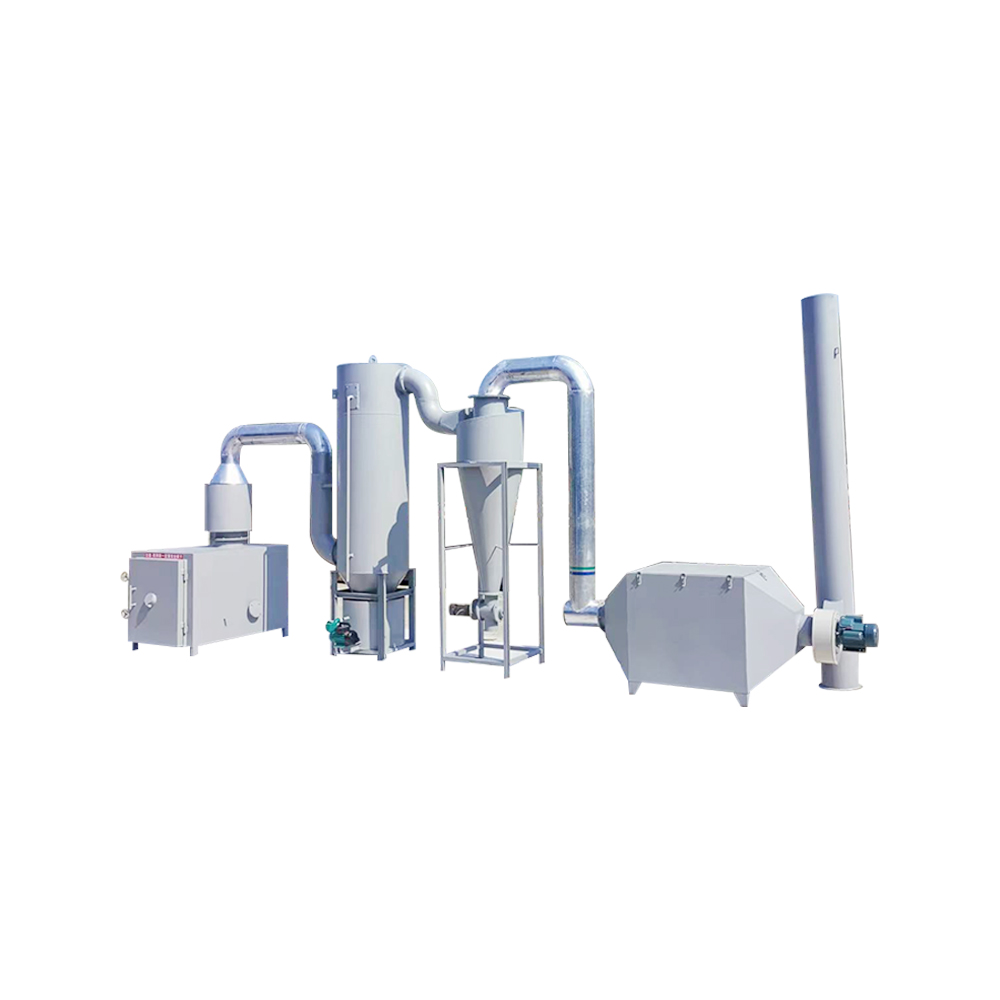
Different material streams demand distinct thermal destruction methodologies. Selecting the wrong underlying technology leads to massive operational failures. You must match the chamber mechanics directly to your primary intake materials.
These systems remain highly common across the public sector. They serve primarily as a standard municipal waste incinerator. You feed unsorted material directly onto a moving mechanical grate. This approach requires minimal upfront material processing. However, high moisture variance heavily degrades combustion efficiency. Facilities require robust upfront sorting logic. Diverting excessively wet materials prevents sudden temperature drops inside the primary chamber.
Rotary kilns handle specialized, volatile inputs efficiently. They provide the global standard for hazardous industrial waste disposal. The rotating cylindrical chamber ensures complete thermal exposure for complex compounds. Continuous rotation prevents heavy sludges from settling and insulating themselves against the heat. This technology requires highly specialized refractory lining maintenance. The initial footprint and infrastructure demands are also substantial.
Facilities focused on high-efficiency energy recovery rely heavily on these units. A refuse derived fuel incinerator burns highly processed, homogenous pellets. Operators must shred, dry, and sort incoming trash extensively before firing. This pre-processing guarantees a uniform calorific value. The resulting combustion is incredibly stable. It allows operators to extract maximum thermal energy continuously.
Remote industrial sites like mining camps often deploy containerized units. They handle localized destruction effectively without permanent foundations. Centralized processing hubs require a permanent large-scale incinerator. Portable units face strict throughput caps. They also encounter varying state-level permitting classifications based on mobility. Centralized hubs benefit from economies of scale and advanced multi-stage exhaust scrubbing.
Technology Type | Primary Application | Moisture Tolerance | Pre-Processing Required |
|---|---|---|---|
Mass Burn / Grate | Unsorted municipal garbage | Moderate | Minimal (Bulky item removal) |
Rotary Kiln | Hazardous industrial chemicals | High (Handles sludges) | Minimal |
RDF Incinerator | Waste-to-Energy generation | Low | Extensive (Shredding, drying) |
Containerized Unit | Remote site operations | Low to Moderate | Sorting to prevent overfeeding |
Procuring thermal treatment hardware requires rigorous engineering analysis. You cannot rely on broad estimations. Every specification must align strictly against empirical site data.
Procurement begins with granular data analysis. You must evaluate the exact BTU or calorific value of your inputs. Measure moisture content meticulously. Identify any halogenated compounds present. Halogens create highly corrosive exhaust gases. Avoid the trap of over-sizing your unit. Over-sizing leads directly to poor thermal efficiency. The burners struggle to maintain operational heat levels. Conversely, under-sizing forces aggressive firing. This rapid cycling accelerates refractory degradation and causes frequent breakdowns.
Secondary chamber retention times face strict regulations. Hazardous content usually demands a two-second retention at 850°C to 1100°C. This specific thermal holding pattern destroys complex molecular toxins. You must evaluate various scrubbing technologies to meet these mandates. Options include wet scrubbers, dry scrubbers, and baghouse filters. You also need comprehensive dioxin and furan management systems. Ensure your specifications map directly to current international standards. The Stockholm Convention POPs guidelines provide a reliable baseline for global compliance.
We evaluate auxiliary fuel consumption carefully. Track diesel or natural gas usage during startup and shutdown sequences. Minimizing these transition periods drastically improves operational efficiency. Facilities often install heat exchangers. Steam turbines can also offset primary facility energy demands. You should map out these energy recovery loops clearly before installation. Efficient thermal cycling improves your overall resource management profile. Capturing waste heat converts a basic disposal mechanism into a functional utility asset.
Building a thermal processing plant takes significant time. You must prepare for strict regulatory oversight at every stage.
Operators must navigate a grueling 12 to 18-month timeline. Air quality permits dictate every aspect of the build. Environmental impact assessments require exhaustive localized data. You must prove your exhaust plume will not disrupt local air quality parameters. Regulatory bodies demand detailed predictive modeling. Engaging specialized environmental legal counsel early accelerates this phase significantly.
Daily operation demands highly trained personnel. You must rely on state-mandated operator guidelines. The Connecticut solid waste facility operator manual provides an excellent structural example. Rigorous training ensures safe, compliant daily operation. Staff must understand how varying feed materials alter chamber physics. They need to recognize early warning signs of thermal runaway instantly.
Expect realistic intervals for hardware degradation. Refractory curing takes precise thermal ramping. You cannot rush the dry-out process without cracking the protective bricks. Grate replacement intervals vary based on material abrasiveness. Continuous emission monitoring systems (CEMS) require frequent, logged calibration. Plan your planned outages around seasonal low-intake periods. This strategy prevents massive material stockpiling on your tipping floor.
Contingency planning prevents catastrophic compliance failures. We recommend establishing strict action plans for sudden operational issues. Consider these vital mitigation strategies:
Establish an immediate shut-down protocol for primary burner failure.
Maintain secondary containment zones for sudden material contamination.
Automate feed-stop mechanisms whenever secondary chamber temperatures drop below legal minimums.
Implement redundant exhaust filtration bypasses during critical pressure spikes.
Stockpile critical replacement sensors locally to avoid supply chain delays.
Writing a precise Request for Proposal (RFP) filters out unqualified manufacturers immediately. You need partners, not just fabricators.
Demand localized case studies from every bidder. Require verifiable emission test reports generated by independent third-party labs. Insist on proof of compliance aligned directly to the latest stationary source performance standards. A qualified vendor will gladly provide the following documentation:
Computational Fluid Dynamics (CFD) modeling for the secondary chamber.
Historical uptime data from similar regional installations.
Detailed metallurgical specifications for grate alloys and refractory linings.
Integration blueprints for your specific CEMS hardware.
Uptime depends entirely on immediate component replacement. Ensure the vendor provides guaranteed response times for spare parts. High-wear refractory bricks and filtration components must remain accessible. Delays in shipping these parts cripple facility throughput. Negotiate binding timelines for technical support dispatch. Your operation cannot afford weeks of downtime awaiting specialized diagnostic technicians.
Conduct a comprehensive site material audit before issuing the RFP. Vendor bids must utilize empirical data. Estimations lead to mismatched equipment and severe operational struggles. Gather one full month of intake metrics. Measure moisture shifts during heavy rain events. This rigorous data collection ensures the vendor engineers a solution precisely scaled to your reality.
Investing in a thermal destruction unit represents a massive operational commitment. It dictates your facility's efficiency and legal standing for decades. Prioritize vendors offering transparent emission data. Select partners ensuring robust secondary combustion capabilities. Realistic maintenance schedules matter far more than aggressive marketing claims. Engage an environmental engineering consultant immediately. Audit your current stream calorific value thoroughly. Contact approved manufacturers to request detailed technical specifications tailored to your target capacity. Taking these deliberate steps guarantees a resilient, compliant, and highly efficient processing operation.
A: Expect a lifespan of 15 to 25 years. This longevity depends heavily on strict adherence to refractory maintenance schedules. You must also avoid unapproved waste inputs. Corrosive or highly volatile materials degrade internal components rapidly. Routine inspections and timely parts replacement ensure the unit reaches its maximum operational lifespan.
A: Federal and state emission limits directly dictate equipment design. They establish minimum secondary combustion chamber temperatures. Regulations also mandate specific filtration add-ons. You must select scrubbers and baghouses tailored to your exact material class. Failing to match technology to these standards results in immediate permitting rejection.
A: Generally, no. Municipal units expect high-volume, lower-toxicity inputs. They utilize mass burn grate designs. Industrial byproducts require specialized handling. Hazardous chemicals demand higher sustained temperatures and distinct retention times. Facilities often deploy rotary kilns to manage these specific chemical outputs safely and effectively.
A: Operators must hold mandatory state certifications. Facilities require ongoing safety training. Personnel must conduct continuous monitoring of the feed rate. They carefully observe combustion temperatures. Strict oversight prevents thermal runaway. Pre-processed fuel burns intensely, requiring rapid automated and manual adjustments to maintain stable chamber dynamics.
