
Views: 0 Author: Site Editor Publish Time: 2026-06-15 Origin: Site
Navigating funeral arrangements presents a profound dual challenge for families today. You must honor a departed loved one respectfully while managing rapidly escalating end-of-life costs. Understanding the specific purpose of a fully combustible container solves this exact problem effectively. Unlike a traditional burial unit, a specialized wooden cremation vessel complies strictly with modern crematory standards. It contains zero metal parts. It burns cleanly and efficiently. We currently see a massive consumer shift toward wholesale and direct-to-consumer purchasing models. This approach strips away exorbitant traditional retail markups while maintaining total dignity for the deceased. Setting an evidence-based, practical tone helps you cut through industry opacity. Throughout this guide, we focus intensely on material efficiency, legal compliance, and logistical execution. You will learn exactly how to bypass unnecessary fees, evaluate structural materials, and orchestrate seamless direct deliveries.
Crematory Compliance: True cremation caskets require a "no-metal" construction (including hinges and fasteners) to meet crematory safety and environmental standards.
Material Efficiency: An MDF coffin or engineered wood provides the structural integrity of a traditional wooden casket at a fraction of the cost, serving as an ideal budget cremation container.
Federal Protection: Under the FTC Funeral Rule, funeral homes are legally mandated to accept third-party and wholesale caskets without charging handling fees.
Logistical Priority: Successful wholesale purchasing relies entirely on vendor shipping reliability and direct-to-funeral-home delivery SOPs.
Why do standard burial models fail during the cremation process? The answer lies strictly in safety and combustibility standards. Crematories operate high-temperature retorts requiring specific fuel loads. Standard metal units obviously cannot undergo cremation. However, even heavily ornamented wood models pose significant risks. Many traditional vessels feature heavy metal hinges, steel screws, and thick chemical varnishes. These elements fail crematory compliance completely. Non-combustible hardware damages the expensive refractory bricks inside the retort chamber. Thick chemical finishes create toxic environmental emissions. You need a wooden cremation coffin designed explicitly for this exact procedure. Manufacturers build these units using interlocking wooden joints and combustible glues.
Consider the fundamental cost-to-outcome ratio next. Purchasing a premium, long-lasting burial unit for cremation remains highly inefficient financially. The entire vessel turns to ash within a few hours. Spending thousands of dollars on permanent durability makes little sense here. Families should allocate those funds toward memorials or family support instead.
This reality sparks the common rental versus purchase debate. Many funeral homes offer a ceremonial rental option. They place a basic interior box inside a beautiful exterior shell for public viewings. After the service, they remove the interior box for cremation. While this sounds practical, renting this shell often costs between $800 and $1,500. Buying an affordable wholesale vessel outright usually costs significantly less. It provides a brand-new, dignified resting place without the inflated rental fee. You maintain complete control over the aesthetics and the budget.
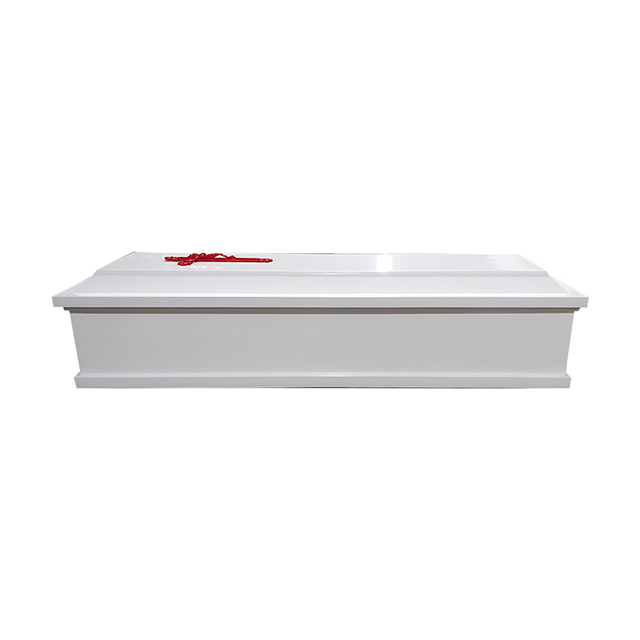
Choosing the appropriate material ensures both visual dignity and strict crematory compliance. Two primary options dominate the wholesale market. You can choose solid hardwood or engineered wood alternatives.
Solid wood options typically include pine, poplar, and willow.
Pros: Solid wood delivers highly traditional aesthetics. It features a beautiful, natural grain finish. Furthermore, unvarnished solid wood remains entirely biodegradable. This trait makes it ideal for green burial applications as well as standard cremation.
Cons: Solid hardwood carries a significantly higher baseline cost. It also brings a heavier shipping weight. This increased weight directly inflates wholesale freight charges and complicates handling.
Engineered materials offer a highly practical alternative. You might strongly consider an MDF coffin for the service.
Pros: Medium-Density Fiberboard maximizes overall affordability. Engineered wood provides highly uniform combustion inside the retort. Manufacturers easily finish these units using beautiful wood-grain veneers. During a formal viewing, they look virtually identical to premium hardwood models.
Cons: Engineered wood carries slightly less traditional prestige. Additionally, MDF remains highly susceptible to moisture damage if improperly stored. You must control warehouse humidity if you hold wholesale inventory over long periods.
If budget restrictions define your primary concern, evaluate the baseline standard. The absolute basic minimum standard remains a simple corrugated cardboard box. While highly economical, many families seek an immediate, dignified upgrade for viewings. An engineered wood unit serves perfectly as an upgraded budget cremation container. It beautifully bridges the massive gap between basic cardboard and expensive solid hardwoods. You achieve visual respectability without breaking financial limits.
Understanding true pricing requires deconstructing the traditional industry markup. The standard death care industry relies heavily on a complex B2B2C model. A manufacturer produces the unit. They sell it to a regional distributor. The distributor marks it up and sells it to a local funeral home. Finally, the funeral home adds a massive retail markup for the end consumer. Direct wholesale bypasses this entire bloated chain. You purchase directly from the primary supplier.
Let us look at realistic price benchmarks. Buying any funeral product online requires knowing the actual market average.
Container Material / Type | Traditional Funeral Home Retail Price | Direct Wholesale Market Price |
|---|---|---|
Corrugated Minimum Standard | $150 - $350 | $50 - $120 |
Standard Veneer / Engineered Wood | $1,200 - $2,500 | $400 - $850 |
Solid Hardwood (Pine/Poplar) | $2,500 - $4,500 | $900 - $1,600 |
Always audit your wholesale quotes carefully for hidden costs. A suspiciously low upfront price might exclude vital service components. Instruct your buyers to verify exactly what the vendor quote covers. Does the price include residential or commercial freight shipping? Will the trucking company charge an extra liftgate delivery fee? Is the interior lining, such as crepe or satin, fully installed? Does the unit come with standard matching pillows? Missing interior components delay service preparations. Unexpected freight fees quickly erase your anticipated wholesale savings. Protect your budget by demanding completely transparent, itemized quotes before purchasing.
Many consumers deeply worry about institutional pushback. They hesitate to bring an outside product to a local funeral home. The FTC Funeral Rule provides clear, absolute federal protection here. Under federal law, you maintain the fundamental right to supply your own wooden casket. The funeral home cannot penalize your decision. They cannot legally charge a receiving fee or a handling fee. They cannot refuse delivery of a compliant third-party unit.
Despite this strict law, you may still face subtle institutional pushback. Funeral directors naturally prefer selling their own localized inventory. You can overcome this friction using highly actionable communication scripts.
Be direct and firm: State clearly, "We have already selected a wholesale vendor for the cremation unit. They will ship it directly to your facility."
Reference the law calmly: If they mention extra fees, reply, "We understand the FTC Funeral Rule legally waives all handling fees for external deliveries."
Focus on immediate logistics: Keep the conversation moving forward. Ask, "What are your specific receiving dock hours for large freight drop-offs?"
Proper crematory documentation also prevents frustrating delays. Reputable wholesale vendors always provide official manufacturer certification. This essential paperwork proves the unit is 100% combustible and entirely metal-free. Give this certification document to the funeral director immediately upon delivery. It quickly eliminates any operational concerns regarding retort safety or environmental emissions compliance. Providing proof upfront builds trust and ensures the scheduled service proceeds without interruption.
Purchasing wholesale online introduces one major operational risk. You must thoroughly understand time-to-delivery realities. Funeral timelines remain notoriously tight and unforgiving. You must differentiate between various shipping methods. Standard LTL (Less Than Truckload) freight typically takes five to seven business days. Expedited regional shipping usually takes one to three days. Overnight guarantees do exist, but they carry extreme premium costs.
To ensure absolute success, follow a strict direct-to-funeral-home standard operating procedure (SOP):
Confirm delivery dock hours: Call the receiving facility directly. Verify exactly when their staff can receive large commercial freight shipments.
Provide specific contact info: Give your wholesale vendor the exact name and direct phone number of the attending funeral director.
Require tracking transparency: Demand step-by-step digital tracking details. Mandate a required signature upon final delivery.
Finally, establish a rigorous inspection protocol. Large wooden units might occasionally suffer freight damage in transit. Advise the receiving funeral director to inspect the external packaging immediately. They must check the exterior corners, structural hinges, and delicate interior lining. They must do this before signing the official Bill of Lading (BOL). Signing a clean BOL legally acknowledges receipt in perfect condition. It makes subsequent freight damage claims incredibly difficult to win. Catching physical issues early ensures the wholesale vendor can expedite a replacement unit immediately if necessary.
Navigating end-of-life logistics demands a highly practical, informed approach. When selecting a wholesale unit, always verify strict crematory compliance first. The vessel must feature an entirely metal-free construction to protect facility equipment. Next, evaluate your material choices carefully based on specific needs. An engineered material unit often balances budget constraints and visual presentation far better than solid hardwoods. Finally, aggressively vet your wholesale vendor. Their shipping reliability, transparent pricing, and clear communication dictate the ultimate success of the entire process.
Your immediate next step is remarkably simple. Before placing any wholesale order online, contact your chosen crematory or funeral home. Confirm their exact container dimension limits and specific weight capacities. This single proactive phone call prevents costly delivery rejections. It ensures a smooth, highly respectful farewell for your loved one.
A: No. Under the strict federal guidelines of the FTC Funeral Rule, funeral homes cannot charge you a handling, receiving, or processing fee. When you purchase a unit from a third-party wholesale vendor, they must legally accept the delivery without any financial penalty.
A: A safe vessel requires a completely combustible structural design. It completely lacks metal hardware, metal hinges, and steel fasteners. Furthermore, it avoids toxic varnishes and non-combustible interior liners. This specific construction ensures safe burning without emitting hazardous chemicals or damaging the crematory retort equipment.
A: Yes. Engineered wood products offer exceptional structural integrity. They easily support standard weight limits, typically matching the strength of solid wood units. High-quality exterior veneers ensure they look entirely appropriate, dignified, and beautiful for a traditional public viewing before the final service.
A: Delivery times depend entirely on the shipping method chosen by the buyer. Standard LTL freight usually takes between five and seven business days. If you utilize regional expedited shipping, expect delivery within one to three days. You must always coordinate timelines closely with the receiving facility.
