


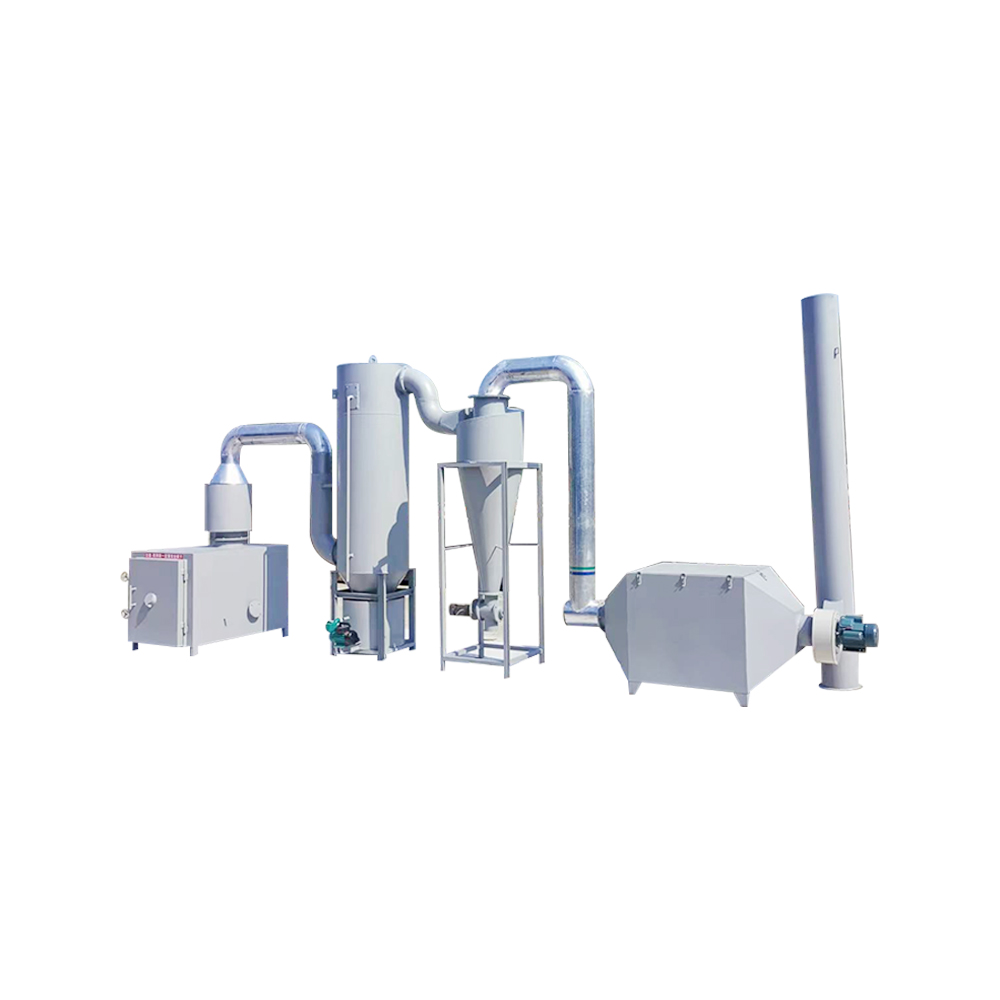


The General Waste Incinerator is a cutting-edge solution engineered for large-scale solid waste disposal facilities, municipal waste management systems, and industrial sites with high waste generation. Designed to safely and efficiently process municipal solid waste (MSW), non-recyclable dry waste, and low-hazard industrial waste, this incinerator plays a pivotal role in modern waste management by minimizing landfill reliance, reducing waste volume by up to 90%, and unlocking energy recovery potential through combustion. Ideal for urban areas, healthcare facilities, commercial complexes, and industrial zones, it adheres to strict environmental standards while delivering reliable performance for long-term waste processing needs. Whether handling household dry waste or industrial non-hazardous waste, the large-scale waste incineration system ensures compliance, sustainability, and operational efficiency.

Equipped with advanced staged combustion chambers, the incinerator achieves complete waste oxidation at temperatures exceeding 1100℃, eliminating harmful pollutants and ensuring thorough waste breakdown. This technology maximizes waste reduction efficiency, reducing the need for frequent landfill trips and lowering overall disposal costs.
Integrated with a multi-layered emission treatment system—including dust collectors, acid gas scrubbers, and activated carbon filters—the incinerator meets international emission standards (such as EU EAC and US EPA). It minimizes the release of particulate matter, CO2, and toxic gases, making it an eco-friendly solid waste management equipment choice.
The incinerator captures heat generated during combustion, converting it into usable energy (steam or electricity) for on-site use or grid supply. This waste-to-energy feature not only reduces operational costs but also promotes renewable energy adoption, aligning with green facility goals.
Crafted from high-grade stainless steel and heat-resistant alloys, the incinerator’s structure withstands extreme temperatures and corrosive waste components. Its robust design ensures a long service life (15+ years) and minimizes maintenance downtime, enhancing operational reliability.
Featuring a PLC-based control system with a touchscreen interface, the incinerator enables remote monitoring, automatic feeding, and real-time temperature adjustment. This reduces manual labor requirements and human error, ensuring consistent performance across all operating cycles.
The daily household waste incinerator is a facility designed to burn non-recyclable waste materials, commonly referred to as "dry waste" or "general waste." These incinerators play a crucial role in waste management by reducing the volume of waste, minimizing landfill use, and recovering energy from the combustion process.

We understand that waste management needs vary by facility, so we offer tailored General Waste Incinerator customization to meet specific requirements:
Capacity Customization: Adjust daily handling capacity (10 – 1000 tons/day) based on your facility’s waste generation volume.
Waste Type Adaptation: Modify combustion chambers and filters to process specialized waste (e.g., medical dry waste, industrial non-hazardous waste).
On-Site Installation & Integration: Provide turnkey installation, including foundation design, piping, and integration with existing waste management systems.
Control System Upgrades: Add advanced features like AI-based predictive maintenance or cloud-based monitoring for remote management.
After-Sales Support Tailoring: Customize maintenance plans, training sessions, and spare parts packages to match your operational schedule.
It primarily handles non-recyclable dry waste, including municipal solid waste, commercial waste (hotels/restaurants), industrial non-hazardous waste, and medical dry waste (hospitals/clinics). Hazardous waste requires specialized modifications—contact our team for details.
Yes, all models meet global emission standards (EU EAC, US EPA, etc.) and can be customized to align with regional regulations. We provide compliance certificates and test reports for local authority approval.
Standard installation (50 – 200 tons/day) takes 4 – 6 weeks, including foundation preparation, equipment assembly, and testing. Larger models (200+ tons/day) may require 8 – 12 weeks—we offer project timelines tailored to your schedule.
Absolutely. The waste-to-energy system generates steam (for heating) or electricity (for lighting, machinery) that can power your facility, reducing reliance on external energy sources and cutting operational costs by 20 – 30%.
Routine maintenance (filter cleaning, lubrication) is required every 6 months, while major overhauls (combustion chamber inspection, part replacement) occur every 2 years. Our team provides on-site maintenance or remote support for quick issue resolution.


