
Views: 0 Author: Site Editor Publish Time: 2026-06-23 Origin: Site
Procuring a medical waste incinerator is a high-stakes capital investment. Undersizing disrupts critical hospital operations severely. Poor emission controls invite strict regulatory penalties. Healthcare facility managers face heavy operational pressures daily. Procurement teams must navigate complex environmental frameworks constantly. Balancing peak waste generation with strict local standards requires a precise evaluation strategy. Missing these targets compromises facility safety and community health. This guide breaks down the technical criteria for sizing a unit accurately. We evaluate modern emission abatement technologies in detail. You will learn how to map out the true operational realities of infectious waste treatment. Following this framework ensures your facility remains compliant, efficient, and fully prepared. Understanding these variables transforms a complex procurement process into a manageable, data-driven decision. We provide actionable insights to protect your institution.
Capacity must be calculated using accurate hospital waste disposal metrics (kg/bed/day), factoring in peak surge volumes and burn-cycle times, not just daily averages.
Modern clinical waste incineration requires dual-chamber systems with secondary temperatures exceeding 1000°C (1832°F) and a minimum 2-second retention time to destroy hazardous pathogens and VOCs.
Emission control systems (scrubbers, baghouses) often represent a significant portion of both initial CapEx and ongoing OpEx; vendor selection must account for local regulatory compliance (e.g., EPA, WHO, or Stockholm Convention guidelines).
Total Cost of Ownership (TCO) extends beyond the purchase price to include site preparation, fuel consumption rates, refractory lining maintenance, and operator training.
Outsourcing your hospital waste disposal carries recurring logistical burdens. It also introduces severe chain-of-custody liabilities. Facilities lose direct control over hazardous materials during transit. On-site incineration regains this control immediately. However, it introduces complex compliance responsibilities.
You must evaluate specific success criteria before deployment. A successful deployment neutralizes 99.99% of dangerous pathogens. It reduces physical waste volume by up to 95%. The system must operate strictly within your facility's air permit limits. It should never bottleneck daily medical workflows. Proper alignment requires thorough operational mapping.
Identify your precise operational profile early. Massive research hospitals usually require continuous-feed industrial systems. These machines handle high-volume streams without interruption. Mid-sized clinical centers often rely on batch-load operations instead. Matching the solution to your generation volume prevents major operational failures. You avoid the pitfalls of over-engineering or under-performing equipment. Careful solution alignment ensures smooth daily processing.
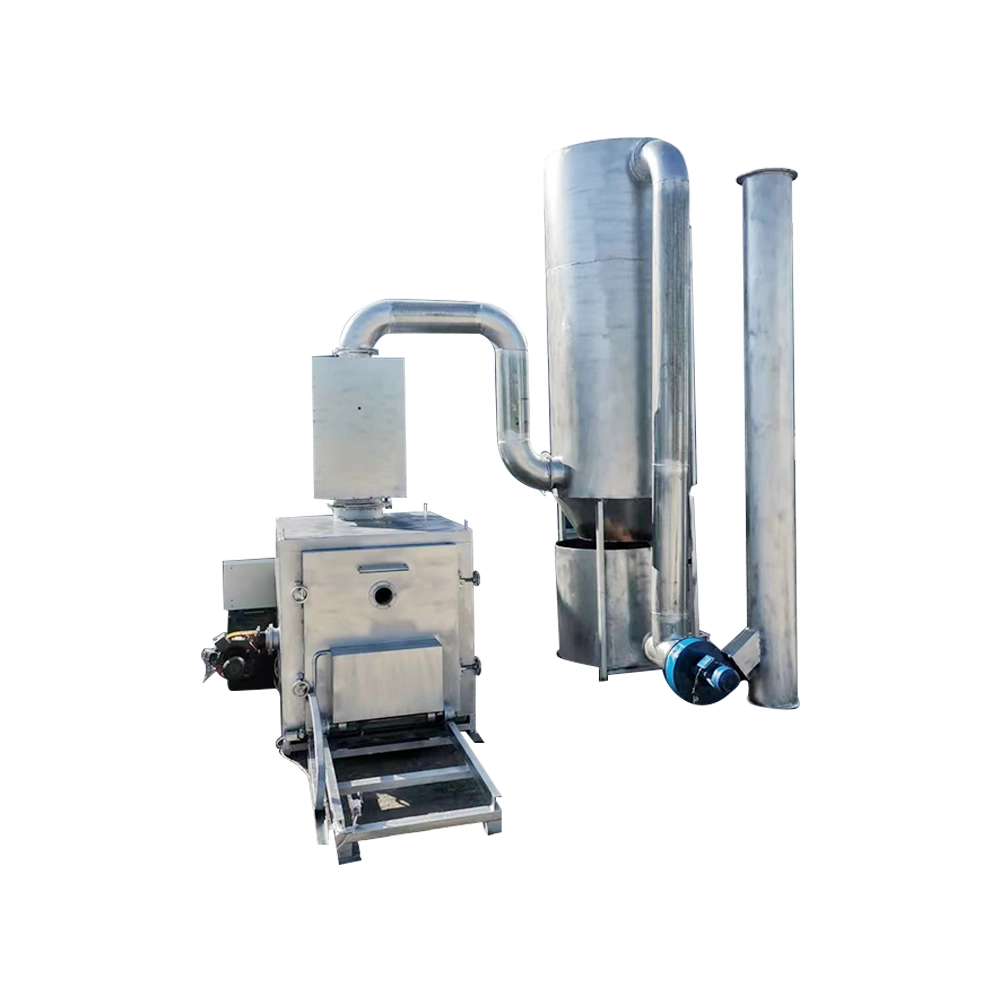
Calculate your daily volume using standard generation metrics. Measure the kilograms of infectious waste per occupied bed per day. A typical urban hospital generates between 1.5 to 3.0 kg per bed daily. Exclude general municipal waste from this core calculation. Mixing non-hazardous streams leads to over-specifying the machine. Segregation remains the foundation of accurate capacity planning.
Example Capacity Calculation Matrix | ||||
Facility Type | Occupied Beds | Est. Daily Generation | Recommended Shift | Target Capacity |
|---|---|---|---|---|
Small Clinic | 50 | 75 kg | 8 Hours | 10 - 15 kg/hr |
Medium Hospital | 200 | 300 kg | 12 Hours | 30 - 40 kg/hr |
Large Hub | 500 | 750 kg | 24 Hours | 40 - 50 kg/hr (Continuous) |
Evaluate your facility's labor shifts carefully. A 50 kg/hr machine running an 8-hour shift processes 400 kg daily. Determine if overnight cooldowns fit your workflow. Operators need safe windows for ash removal. Batch systems require these distinct cooldown periods. Continuous systems run 24/7 without stopping. They demand dedicated operator rotations and automated ash removal mechanisms. Choose the model matching your staffing availability.
Future-proofing requires a built-in capacity buffer. Factor in a 15–20% margin for seasonal surges. Pandemic-level anomalies dramatically increase daily loads. Planned facility expansions also require extra headroom. You must anticipate these shifts to maintain continuous compliance.
Mismatched capacity introduces severe operational risks.
Undersizing: You face dangerous waste stockpiling. Excess material requires expensive refrigerated storage. Operators often over-fire the unit to compensate. Over-firing causes rapid equipment degradation.
Oversizing: The system suffers highly inefficient fuel consumption. Burners waste valuable diesel or natural gas. Incomplete thermal loading causes premature refractory wear. The chamber never reaches optimal thermal equilibrium.
Modern clinical waste incineration demands strict dual-chamber configurations. The primary combustion chamber handles initial mass reduction. The secondary chamber ensures gas retention and volatile destruction. Secondary temperatures must exceed 1000°C (1832°F). You also need a minimum 2-second retention time. This specific environment destroys hazardous pathogens completely. It neutralizes volatile organic compounds (VOCs) before they escape.
Air Pollution Control Devices (APCD) remain mandatory. They capture hazardous byproducts before stack release. These systems process the raw exhaust gases thoroughly.
Compare the operational realities of scrubbing systems closely. Wet scrubbers neutralize acid gases effectively. They capture hydrogen chloride and sulfur dioxide efficiently. However, they create toxic wastewater. This byproduct requires dedicated secondary treatment on-site. Dry scrubbers inject chemical reagents like lime powder. They remain easier to manage logistically. You avoid liquid effluent entirely. You must maintain adequate consumable material storage.
Emission Control Chart: Scrubbing Technologies | |||
Technology Type | Primary Mechanism | Key Advantage | Operational Challenge |
|---|---|---|---|
Wet Scrubber | Liquid absorption | High acid gas removal efficiency | Generates toxic wastewater effluent |
Dry Scrubber | Dry sorbent injection | No liquid waste stream produced | Requires large dry chemical storage |
Semi-Dry Scrubber | Atomized slurry injection | Balances efficiency and waste output | Complex atomizer maintenance |
Filtration captures dangerous airborne particulate matter. Evaluate ceramic filters and heavy-duty baghouses. They trap heavy metals, dioxins, and toxic fly ash. High-efficiency filters prevent visual smoke. They eliminate dangerous toxic plumes. You must protect baghouses from extreme heat. Quench towers cool the exhaust gas before filtration begins. This prevents filter fabric degradation.
Require vendors to provide verifiable emission data. Their equipment must align with EPA NSPS guidelines. World Health Organization (WHO) standards also dictate strict thresholds. Transparent data proves regulatory compliance unequivocally. Never accept estimated emissions without empirical testing documents.
A portable medical incinerator typically features a skid-mounted design. Manufacturers build them for rapid relocation and setup. They provide self-contained waste management solutions out of the box. Engineers mount the entire assembly on a single reinforced steel frame.
These units serve highly specific primary use cases. Rural clinics rely on them for daily processing. Temporary outbreak response centers deploy them quickly. Modular hospitals benefit from their compact physical footprint. Facilities experiencing severe spatial constraints find them ideal. They solve immediate infrastructure gaps effectively.
You must weigh their limitations against their benefits carefully.
Pros: They offer rapid deployment during emergencies. Site preparation remains minimal. Many models feature true plug-and-play installation. Relocating them requires minimal specialized heavy machinery.
Cons: They deliver lower overall throughput. Operators must perform frequent manual batch loading. Simplified emission controls often restrict their usage. Highly regulated urban air-quality zones may reject them.
We see common mistakes during portable deployments. Placing units too close to hospital HVAC intakes pulls exhaust indoors. Failing to ground the skid properly creates electrical hazards. Avoid these fundamental errors through careful site planning.
Facilities face hidden logistical hurdles during installation. You must pour a heavy-duty reinforced concrete pad. Weather-proofing and protective canopies shield the sensitive equipment. You need dedicated fuel line routing mapped correctly. Local dispersion models dictate exact stack height engineering. Ignoring dispersion modeling causes localized ground-level pollution. Planning these infrastructure elements prevents deployment delays.
Operational realities dictate your daily maintenance routine.
Fuel Efficiency: Burner type impacts overall consumption. Gas and diesel burners behave differently under varying loads. Monitor your fuel draw to ensure optimal air-to-fuel ratios.
Consumables Tracking: Scrubber reagents and replacement filters require constant restocking. Supply chain interruptions halt your disposal operations. Maintain a 30-day buffer of all essential consumables.
Refractory Re-lining: This remains a mandatory major maintenance event. Thermal shock causes gradual refractory spalling over time. Usage frequency dictates this replacement schedule. Plan for downtime during curing phases.
The system remains only as compliant as its human operator. Proper operation demands strict adherence to procedures. Emphasize the need for vendors offering robust, on-site commissioning. Require comprehensive emergency protocol training for all facility staff. Un-trained operators cause temperature drops, leading to visible smoke. Continuous education mitigates human error effectively.
Apply strict logic when shortlisting potential vendors. Your RFP criteria should demand guaranteed historical emission test results. Verify local service technician availability in your specific region. Request highly transparent, long-term maintenance schedules. Compare technical support response times diligently. Strong vendor partnerships secure long-term operational stability.
Selecting the right equipment is a meticulous engineering balance. You must weigh accurate waste auditing against uncompromising environmental compliance. Proper sizing ensures you avoid dangerous stockpiling or accelerated equipment wear. Advanced dual-chamber designs combined with robust scrubbing systems protect local air quality. Understanding the logistical realities of installation prevents sudden project delays.
Advise your procurement teams to initiate a strict 30-day waste generation audit immediately. They must measure infectious streams separately from municipal trash. Consult with local environmental agencies regarding specific air permitting requirements. Do this well before drafting the final RFP. Gathering empirical data early guarantees a compliant, highly resilient deployment.
A: The primary chamber typically operates between 800°C and 900°C. The secondary chamber must reach 1000°C to 1200°C. It requires a 2-second retention time to destroy harmful dioxins and furans completely.
A: A well-maintained unit lasts 10 to 15 years. This requires strict adherence to maintenance schedules. Regular replacement of the refractory lining and routine burner tuning extend the lifespan significantly.
A: High-end models can meet specific regulatory tiers. However, their simplified emission controls often limit them to low-volume exemptions or emergency-use authorizations. You must always verify local jurisdiction rules before deployment.
A: Bottom ash is typically reduced to 3-5% of the original volume. It must undergo testing for heavy metals. If it passes toxicity leaching tests, facilities generally dispose of it in standard municipal landfills safely.
