

Views: 0 Author: Site Editor Publish Time: 2026-09-03 Origin: Site


Purchasing crematory equipment requires massive capital expenditure and dictates long-term operational viability. Equipment downtime directly translates to lost revenue, severe compliance fines, and lasting reputational damage. You must cut through glossy marketing claims to compare baseline technical specifications accurately. Look closely at retort design, cycle times, refractory durability, and fuel consumption, comparing these metrics against actual real-world performance. This guide provides a structured evaluation framework for funeral directors and crematory operators to objectively assess equipment. You will learn how to mitigate implementation risks effectively and select a system perfectly aligned with your facility volume. We will help you match equipment capabilities to strict local compliance mandates, ensuring your operation runs smoothly and efficiently from day one.
Capacity vs. Reality: Stated cycle times often differ from operational realities; evaluating continuous-run capability, hearth design, and cool-down periods is critical for high-volume facilities.
Long-Term Operational Costs: Initial purchase price is secondary to long-term operational costs, specifically fuel efficiency, automation capabilities, and the replacement frequency/cost of refractory chamber bricks.
Environmental Compliance: Local emissions regulations dictate the necessity of advanced filtration, secondary chamber retention times, and automated opacity monitoring—non-negotiable factors in equipment selection.
Vendor Reliability: The viability of a cremation equipment supplier hinges on their post-installation support, remote diagnostic capabilities, technician availability, and warranty comprehensiveness.
Calculate your current and projected annual case volumes first. This determines your necessary daily throughput. High case volumes might justify a single high-capacity unit running extended shifts. Alternatively, you might need multiple standard units to handle the load simultaneously. Look at your historical data carefully, factoring in seasonal mortality spikes during winter months. Project growth over the next five to ten years based on local demographic shifts toward cremation. Do not buy equipment based solely on today's numbers. Plan for future demand to avoid premature upgrades. A facility processing 500 cases annually requires vastly different hardware and maintenance schedules than one processing 2,000 cases. If you anticipate running 24-hour operations, you must select equipment specifically engineered for continuous thermal stress.
Assess your physical footprint meticulously. Measure ceiling heights, door clearances, and the turning radius in your loading bay. Evaluate your existing utility infrastructure before looking at machine specifications. Check your incoming gas pressure; you need to know the dynamic pressure, not just the static pressure, to ensure burners fire correctly under load. A machine failing to fit through your loading doors creates immediate logistical nightmares, often requiring partial wall demolition. Insufficient gas pressure will cripple burner performance entirely, leading to extended cycle times and smoke events. Verify these structural constraints before shortlisting any equipment. You must also account for floor load-bearing capacities. Heavy-duty units weigh up to 40,000 pounds and require reinforced concrete foundations, typically a minimum of six inches of 3,000 PSI concrete.
Regional environmental agencies dictate strict operating parameters. They set minimum operating temperatures and specific gas retention times for the secondary chamber. They also enforce rigid emission limits regarding particulate matter and visible smoke. Your equipment must meet these baselines flawlessly. Failure to comply results in severe operational halts and public relations disasters. Consult local air quality boards early in your planning phase. Some jurisdictions require secondary chambers to hold gases at 1,600°F for a full second, while others mandate 1,800°F for two seconds. This directly impacts the internal volume requirements of the machine you purchase. Know your local codes, including Title V permit requirements, before contacting any manufacturer.
Selecting the right human cremation machine requires deep technical scrutiny. You must look past exterior aesthetics and focus entirely on internal engineering, combustion dynamics, and material quality.
The internal architecture of a human cremation machine for funeral homes dictates its daily efficiency and safety. You must choose between hot hearth and cold hearth designs. Hot hearth designs route combustion gases under the floor before they exit into the secondary chamber. This heats the floor from below, which vaporizes fluids instantly and improves overall energy efficiency. Cold hearths feature a simpler design where gases exit directly above the hearth. They are often less efficient for continuous, back-to-back use and require careful monitoring to prevent fluid pooling. In-line configurations place the primary and secondary chambers end-to-end, creating a long, narrow footprint. Side-by-side configurations stack them laterally, creating a wider, shorter footprint. Your choice depends heavily on your available floor space and loading logistics.
Feature | Hot Hearth Design | Cold Hearth Design |
|---|---|---|
Combustion Flow | Gases route under the floor before exiting to the secondary chamber. | Gases exit directly above the hearth into the secondary chamber. |
Fluid Retention | Excellent. Vaporizes fluids instantly, preventing leakage. | Moderate. Requires careful operator monitoring to prevent pooling. |
Energy Efficiency | High. Retains massive amounts of heat for subsequent cycles. | Lower. Loses heat faster between cycles, requiring more burner fuel. |
Ideal Case Volume | High volume. Ideal for continuous, back-to-back daily cases. | Low to medium volume. Better suited for batch processing. |
Maintenance Complexity | Higher. Under-hearth passages require specialized cleanout tools. | Lower. Simpler internal geometry makes routine sweeping easier. |
Stated processing speeds require careful scrutiny. Standard cycle times typically run 90 to 120 minutes. This directly impacts the maximum number of cases you can process per shift. Differentiate between continuous and batch operation designs. Continuous machines handle back-to-back operations seamlessly, utilizing retained heat to drop subsequent cycle times down to 75 or 80 minutes. Batch machines require significant cooling periods between cycles to prevent refractory damage. Evaluate bariatric capacity limits carefully. Compare primary chamber sizes across different models. Ensure the equipment handles varying case profiles safely without compromising combustion efficiency. A 500-pound case introduces massive amounts of highly combustible adipose tissue; the machine must have the internal volume and burner modulation capabilities to step down the heat and prevent a runaway thermal event.
Burner technology drives your monthly utility bills. Modulating burners maintain precise temperatures by adjusting the fuel-to-air ratio in tiny increments, minimizing natural gas or propane usage. Standard step-fire or on/off burners often consume significantly more fuel because they over-correct temperature drops. Insulation quality directly impacts heat retention. Superior insulation reduces the energy required for subsequent cycles in a high efficiency cremation machine. Look for multi-layer insulation systems utilizing high-density firebrick backed by calcium silicate block and mineral wool. Calculate your estimated utility cost per case. Use manufacturer BTU ratings and local energy prices for this calculation. Prioritize eco-friendly designs that lower your carbon footprint while protecting your bottom line.
Safety clearances around the human crematorium oven are mandatory. You need adequate space for maintenance access, loading mechanisms, and operator safety. Fire code compliance is non-negotiable; NFPA guidelines typically require 18 to 36 inches of clearance from combustible materials. Exhaust stack design requires detailed structural planning. Account for roof penetrations, weather flashing, and refractory-lined stacks that can withstand 2,000°F exhaust gases. Draft control systems must integrate perfectly with your building ventilation. Barometric dampers help regulate internal chamber pressure by introducing ambient air into the stack. Proper draft ensures safe operation, maintains optimal combustion oxygen levels, and prevents smoke from backing up into the facility during the loading process.
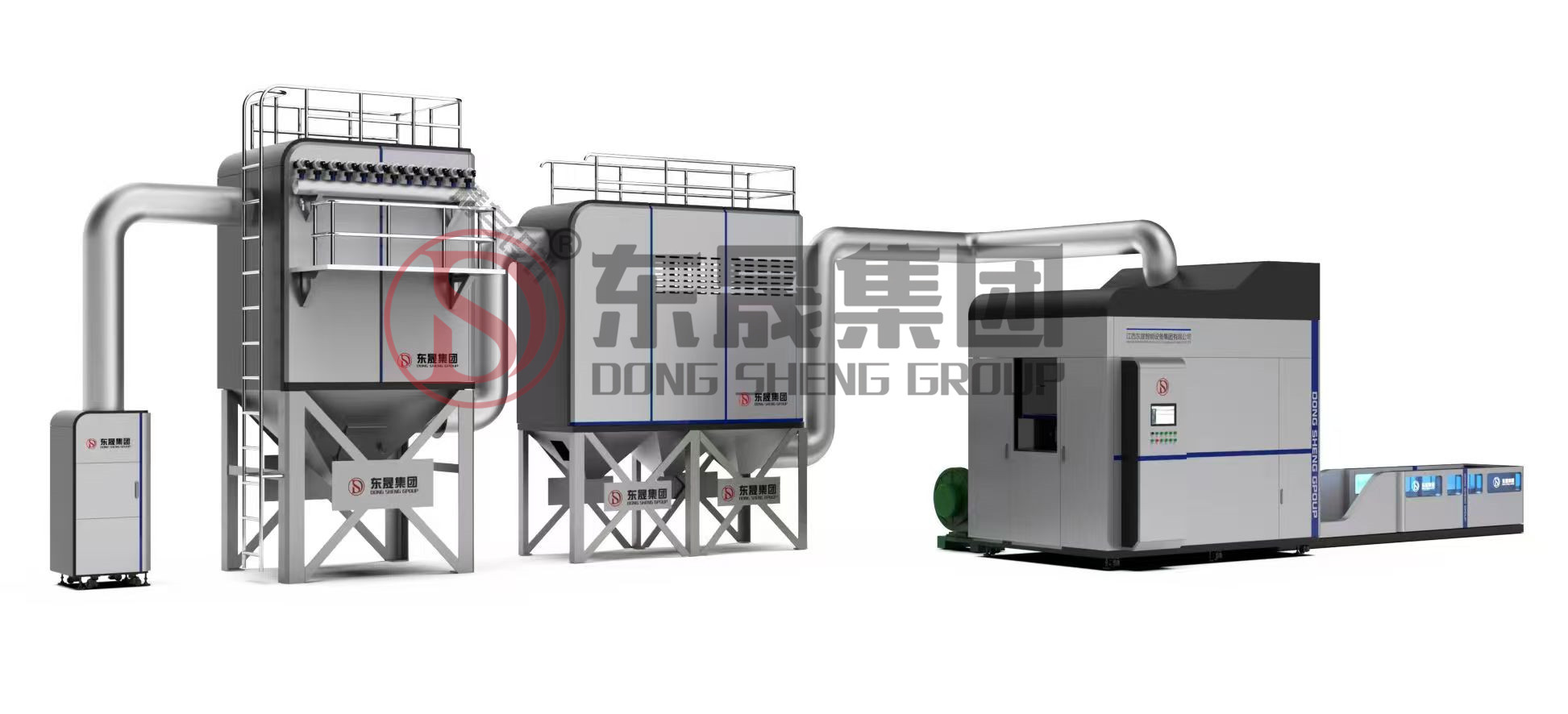
Material composition matters immensely for internal durability. Compare standard firebrick against heavy-duty castable refractory materials. Brick thickness and size impact thermal shock resistance directly. Thicker bricks, particularly those with 60% to 80% alumina content, generally offer better longevity under extreme heat. Hearths and walls have finite lifespans measured in operating cycles. Spalling—where the face of the brick flakes off due to rapid temperature changes—and fluid degradation represent daily operational realities. Mechanical damage from loading cardboard containers or wooden caskets also takes a heavy toll on the throat arch and side walls. Plan for inevitable maintenance downtime. Understand the economics of partial versus full refractory replacement. A hearth replacement might be necessary every 1,500 cycles, while the ceiling arch could last 4,000 cycles if operated correctly.
Modern facilities require advanced industrial automation. Programmable Logic Controllers (PLCs) have largely replaced manual relay controls. PLCs automate temperature regulation, precise burner modulation, and draft control. They also handle detailed cycle logging for high production values, recording temperatures every minute to prove regulatory compliance. Internet-connected systems offer massive operational advantages. A reliable cremation machine manufacturer can troubleshoot software or burner faults remotely. This capability drastically reduces unexpected downtime, as a technician can often reset a fault code or adjust a burner parameter from their headquarters. Operators can monitor chamber temperatures, opacity levels, and cycle times from remote touchscreens located in the main office, keeping them out of the heat zone.
The secondary chamber combusts volatile gases and particulate matter before they exit the stack. This ensures smokeless and odorless operation. Automated opacity sensors monitor exhaust clarity continuously using an LED light beam across the stack interior. They communicate directly with the PLC in real-time. If the sensor detects particulate matter exceeding a set threshold (often 10%), the system adjusts burner output instantly or injects additional combustion air to clear the emissions. Strict local air quality mandates sometimes require filtration add-ons. You may need to install baghouses or wet scrubbers. These add-ons capture microscopic particulates and heavy metals before they reach the atmosphere, though they significantly increase the physical footprint and maintenance requirements of the system.
Cremulated remains processors must deliver highly consistent results to provide families with uniform ash. Evaluate internal blade quality, drum durability, and processing speed. Heavy-duty steel blades should reduce bone fragments to a fine powder in under five minutes. Auxiliary equipment improves your overall facility workflow and protects your staff from ergonomic injuries. Consider automated loaders, hydraulic scissor lifts, and dedicated processing stations with built-in dust collection vacuums. Purchasing these from the same manufacturer offers distinct benefits. You ensure seamless operational integration, matching electrical requirements, and unified warranties. Dust collection vacuums attached directly to processors keep your workspace clean and prevent operators from inhaling fine particulate matter.
Standardized, off-the-shelf models provide much faster lead times, allowing you to get your facility operational months earlier. You gain immediate access to proven reliability data across hundreds of similar installations. Replacement parts are usually readily available from domestic warehouses, minimizing downtime when a thermocouple or burner relay fails. These models suit facilities with predictable, steady case volumes. They fit well into standard structural layouts without major building modifications. Standard units benefit from years of iterative engineering improvements. Technicians find them easier to service due to familiar component layouts and standardized wiring schematics. If your building has standard 12-foot ceilings and a standard 10x10 roll-up door, a standard model is highly practical.
Unique facility requirements demand custom engineering solutions. Non-standard building dimensions, such as low ceilings or narrow corridors, often force custom equipment builds. You might use unique fuel sources, like bio-gas, or need specialized loading configurations to accommodate a specific property layout. Extreme high-altitude operations also require specific burner and blower modifications because the thinner air requires higher CFM to achieve the correct oxygen mixture for combustion. A custom human cremation machine involves higher upfront capital. Manufacturing timelines are noticeably longer, sometimes extending past eight months. However, the operational efficiencies and space optimization often justify the investment. Custom units can maximize throughput in severely restricted floor plans, turning an unusable basement into a highly profitable cremation center.
Industry longevity indicates corporate stability and reliability. Select a manufacturer known for high-quality material sourcing. Heavy-gauge steel exteriors, typically 1/4-inch plate steel, ensure long-term structural durability and prevent the machine casing from warping under intense thermal stress. You need guaranteed parts availability over the 15 to 20-year lifespan of the machine. Request references from similar-sized facilities in your region. Call those operators and verify actual uptime, real-world fuel consumption data, and the frequency of refractory repairs. Check their customer service responsiveness during emergencies. A reliable cremation equipment supplier stands behind their product long after installation, maintaining a robust inventory of spare parts and a network of skilled refractory masons.
A comprehensive warranty must cover specific mechanical elements clearly. Differentiate clearly between parts and labor coverage limits. Note any specific refractory exclusions in the contract, as hearth bricks are often considered wear items and may carry shorter warranties. Ensure burner components, PLC hardware, and software updates are fully included. On-site, manufacturer-led training is absolutely critical. Staff must learn safe operation, emergency shutdown procedures, and fuel efficiency maximization techniques. Proper training prevents premature equipment wear, such as damaging the hearth during sweep-out, and mitigates severe safety hazards. Evaluate Service Level Agreements (SLAs) carefully before signing. Guaranteed response times for emergency maintenance are crucial. Verify the geographic availability of certified technicians in your state to ensure you aren't waiting days for a flight when your machine goes down.
Selecting optimal crematory equipment requires balancing initial capital investment with long-term operational realities. Fuel efficiency, automation capabilities, and refractory durability drive this balance. Equipment downtime is too costly to ignore. You must prioritize robust engineering over superficial features. A well-chosen machine ensures compliance, maximizes throughput, and protects your facility's reputation.
Audit your physical facility constraints, including ceiling heights, door widths, and concrete floor load limits before requesting equipment specifications.
Calculate your projected annual case volumes over a five-year horizon to determine if you need continuous-run or batch-processing equipment.
Consult your local environmental agency to confirm mandatory secondary chamber retention times and emission limits for your specific zip code.
Request detailed refractory specifications, including brick thickness and alumina content, from all shortlisted manufacturers to gauge long-term durability.
A: Standard cycle times typically range from 90 to 120 minutes. Continuous-run machines achieve faster subsequent cycles due to retained heat in the refractory bricks, dropping the time closer to 75 minutes after the first case of the day.
A: Hearth bricks usually require replacement every 1,500 to 2,000 cycles due to fluid degradation and mechanical wear from loading. Wall and ceiling bricks can last up to 4,000 cycles depending on operator care and thermal shock management.
A: Hot hearths route combustion gases under the floor to heat it, instantly vaporizing fluids and improving efficiency. Cold hearths route gases directly above the floor, making them simpler to build but less ideal for continuous daily use.
A: Not necessarily. Many standard models feature oversized primary chambers and wider doors designed specifically to handle bariatric cases safely. They utilize advanced burner modulation to control the intense heat generated by adipose tissue.
A: Opacity sensors use an LED light beam to monitor exhaust clarity inside the stack. If they detect smoke or particulate matter blocking the light, they signal the PLC to adjust burner output or inject air automatically.
A: Installations typically require a high-volume natural gas or propane supply with verified dynamic pressure, a dedicated three-phase electrical connection, and sometimes compressed air lines for specific automated loading doors or draft control dampers.


